In The Curious Kitchen
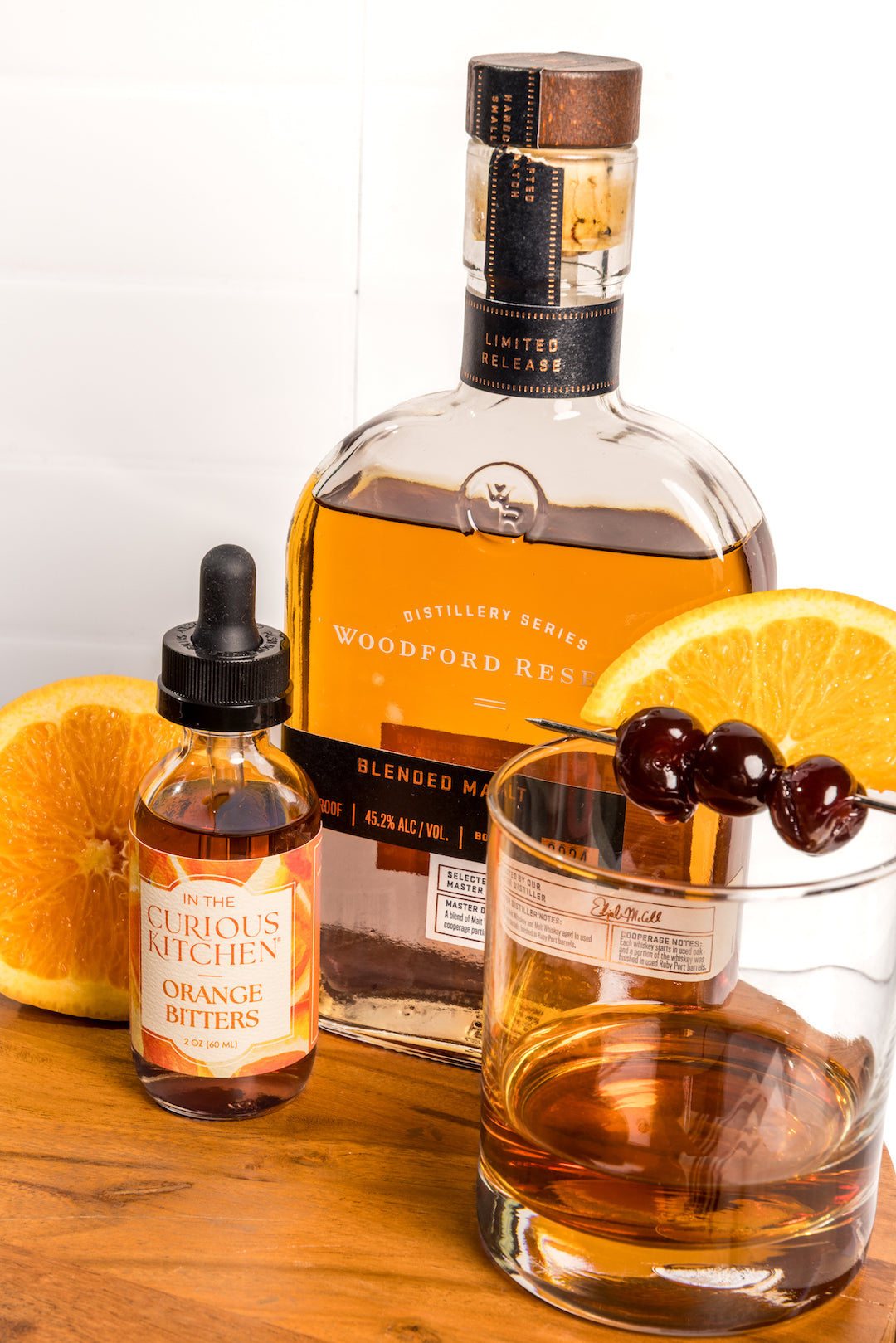
Handcrafted Orange Cocktail Bitters
Handcrafted Orange Cocktail Bitters
Couldn't load pickup availability
Handcrafted Orange Cocktail Bitters
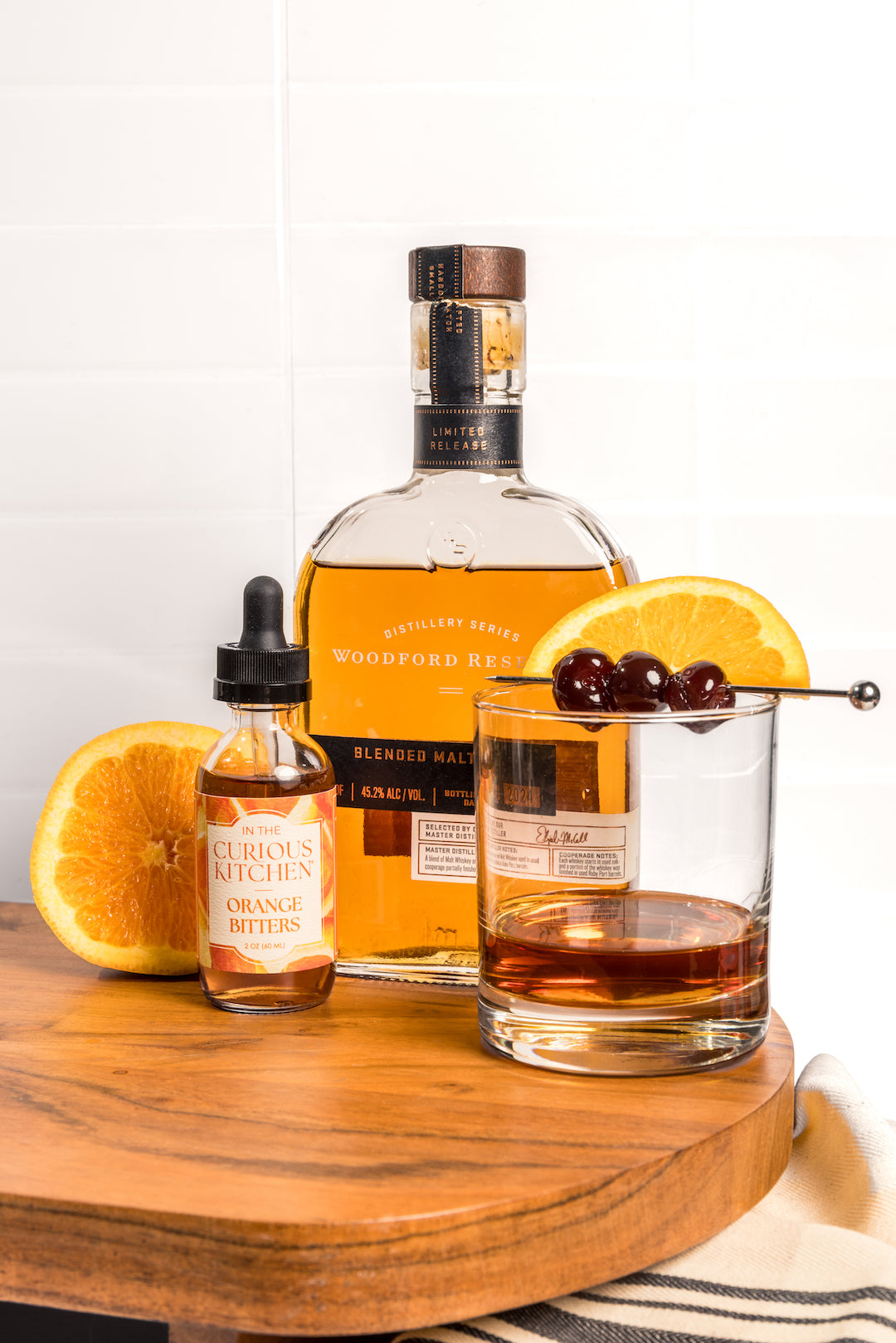
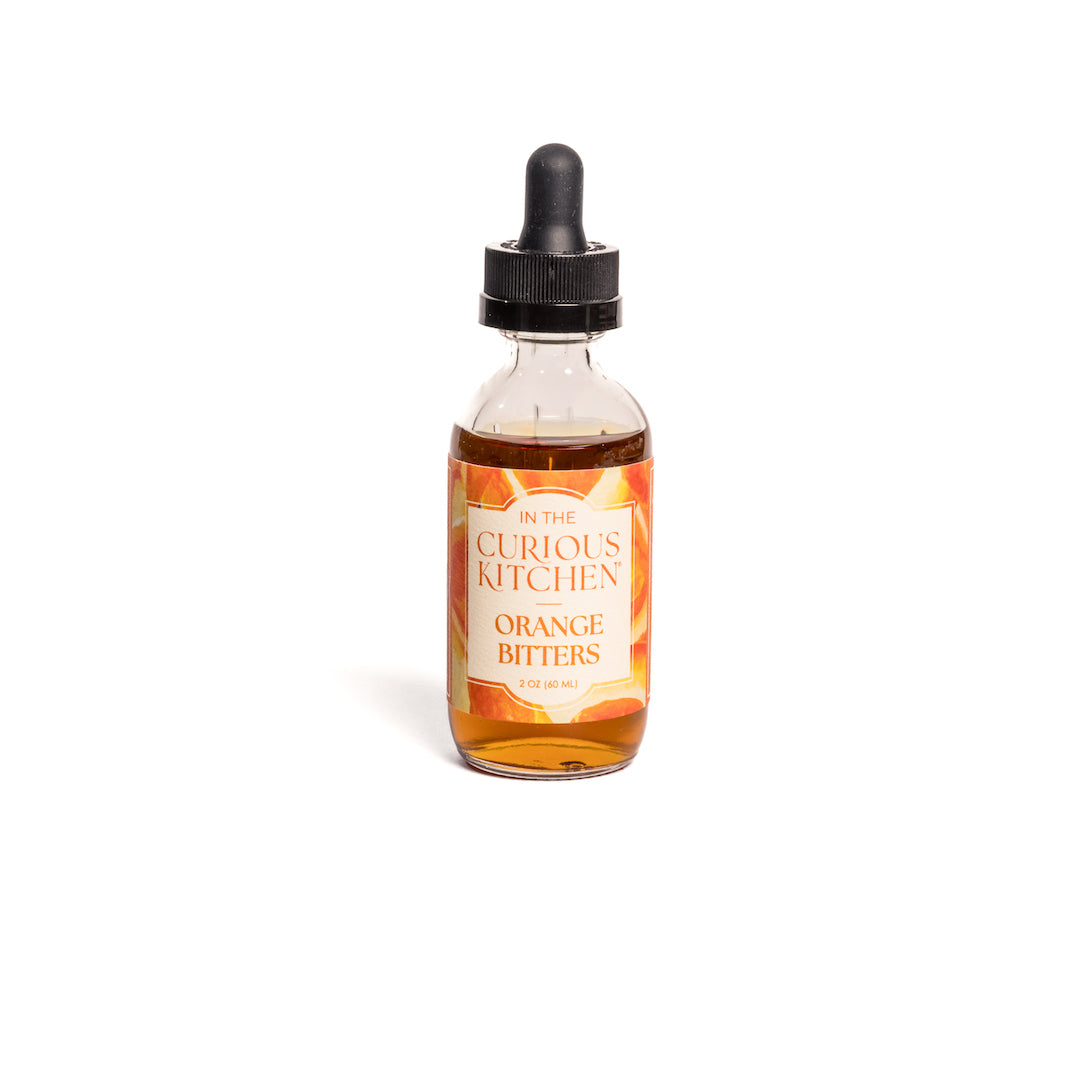
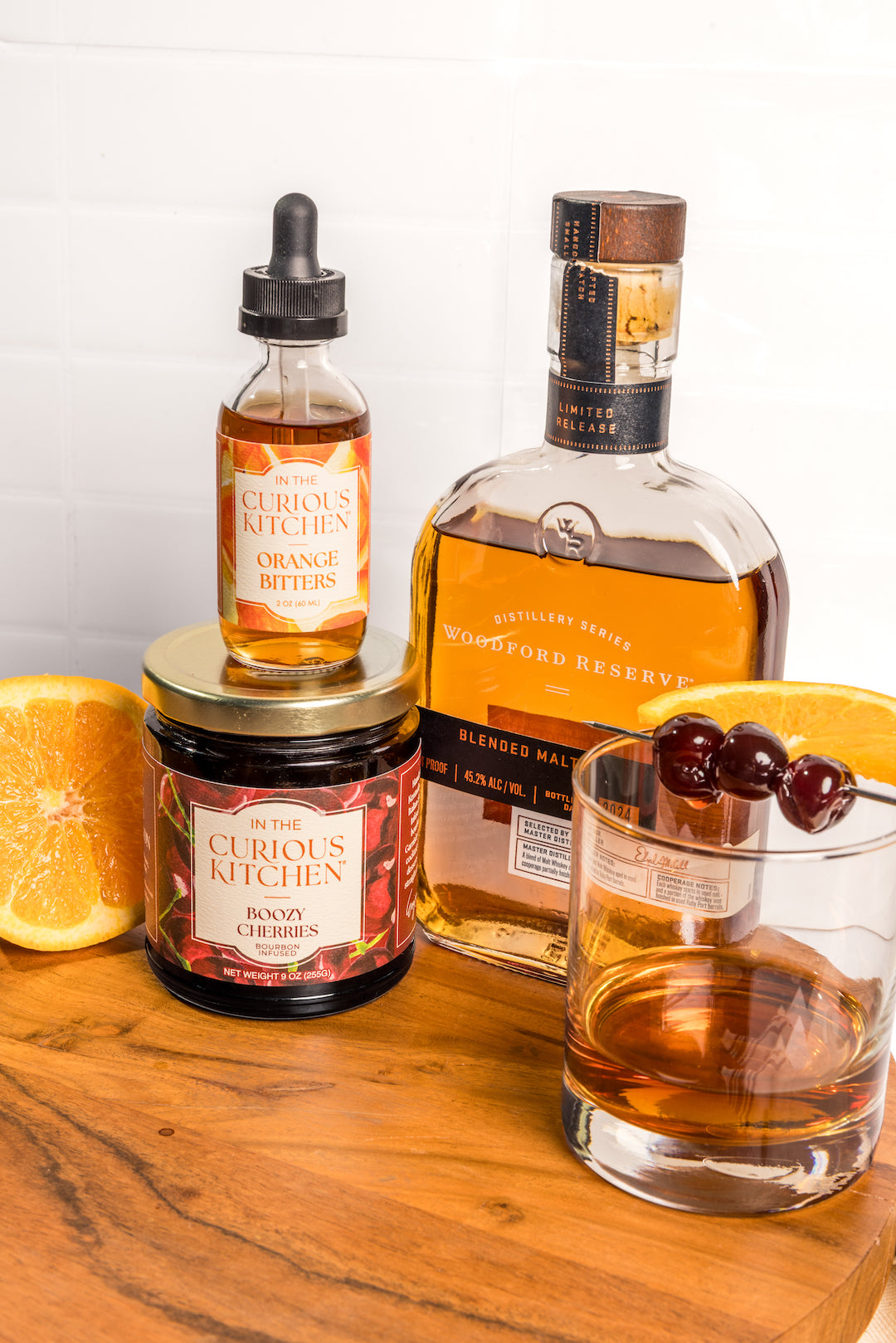
Dried orange rind, organic botanicals and spices flavor these handcrafted small-batch orange bitters. Bitters are concentrated infusions added by the dash.
A few dashes go into an Old Fashioned, a Martini, a Manhattan or a Whiskey Sour. Beyond cocktails, they can flavor sparkling water, hot tea, whipped cream or a vinaigrette.
Taste creates a Zen state through slow, intentional ingestion that activates the gustatory pathways (Small, 2012) and signals safety, nourishment, and seasonal identity (Mintz, 1985). Warm or gently flavored items—such as honey, tea, coffee, herbal drops, and low-dose CBD preparations—support calm because they prepare the digestive system (Berthoud, 2008), reduce vigilance through predictable sensory input (McEwen, 2007), and engage reward circuits associated with emotional comfort (Panksepp, 1998). When paired with aroma, pacing, and quiet ritual, these flavors reinforce social and personal grounding (Rozin, 1982), making taste a stable, parasympathetic sensory anchor in Zen environments.
Details
- Product: Orange cocktail bitters
- Size: 2 oz (59 mL) bottle with dropper
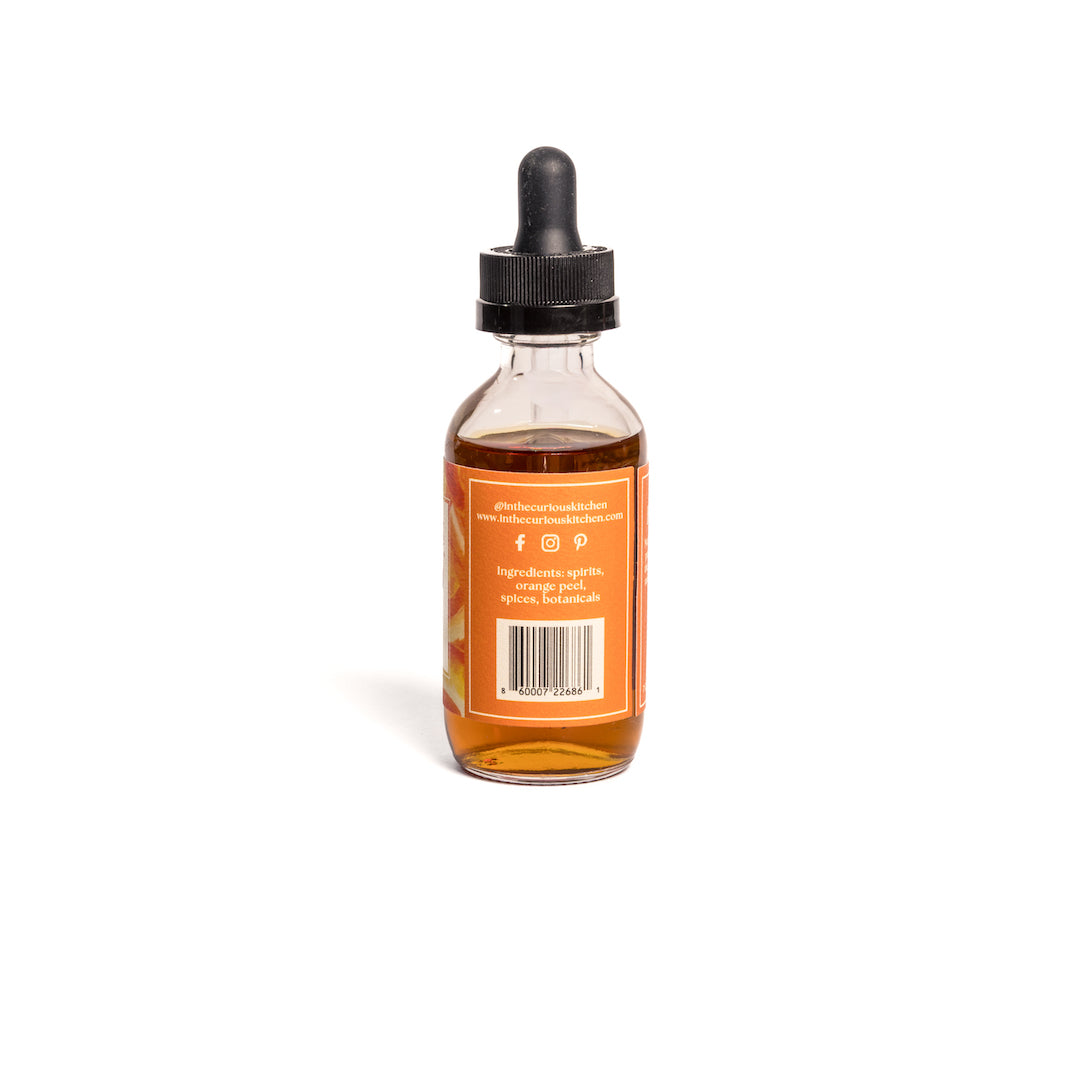
- Ingredients: Dried orange rind, organic botanicals, spices
- Craft: Handcrafted in small batches
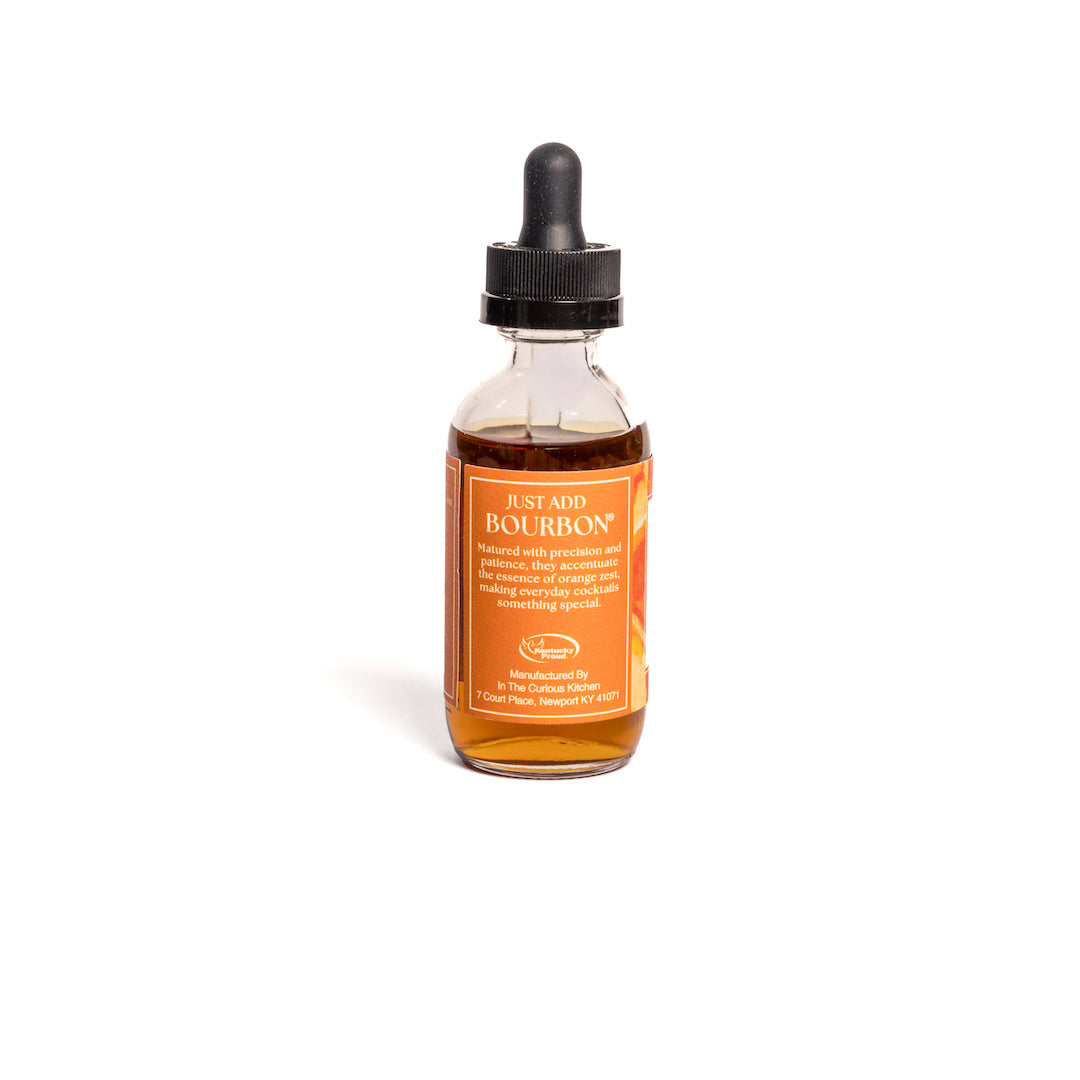
- Origin: Kentucky
Pairing Note
Flavor begins before tasting. What you see, hear, smell, and feel shapes how you expect something to taste because each sense carries its own history, memory, and cultural meaning.
Visual: Pairing flavor with visual cues blends what you see with what you taste. Color, clarity, and presentation help people understand what something is (Lakoff, 1987) and connect it to season, tradition, or place (Mintz, 1985). Taking your time when tasting gives your attention room to settle, allowing the visual field to open up. You see more clearly, your mind stops multitasking, and the moment becomes visually stable, supporting a more enjoyable tasting experience and a clearer understanding of the flavors.
Mindful: Paired with sound and mind, quiet cues—pouring, stirring, sipping—create a gentle rhythm. These small sounds add emotional texture (Juslin & Västfjäll, 2008) and make shared moments feel more connected (Dunbar, 2010). Across cultures, slow, steady sipping is a familiar way to settle the body and ease into the experience.
Aroma: Flavor paired with aroma, becomes more defined. Aroma carries memory and cultural meaning (Rozin, 1982; Mintz, 1985), shaping how people interpret taste. When aroma and flavor meet—tea, coffee, honey, botanicals—they form one clear impression that helps the body relax.
Kinetic: Paired with movement, tasting becomes a simple, steady motion. Slow sipping supports the body’s natural digestive rhythm (Berthoud, 2008) and softens stress responses (McEwen, 2007). Many cultures use warm drinks, honey, lozenges, and herbal drops as grounding elements in quiet, zen-like routines.
Body-care: Paired with daily care, flavor becomes a small tactile ritual. Warmth, thickness, and predictable texture create physical comfort (McGlone et al., 2014) and help the body settle (McEwen, 2007; Panksepp, 1998), tying the moment to personal meaning and personal style (Assmann, 2011).
Share